Why Illustration Still Matters in Publishing (More Than Ever)
By Hannah Tedd
For an industry built on words, publishing has always had a strong visual side. But right now, it feels more important than ever. From where I sit as an illustrator, it’s no longer just about supporting a story - Illustration is actively shaping how books are discovered, shared, and remembered.
A lot of that shift comes down to the book community online. Platforms like Instagram, TikTok, and Threads have completely changed how people engage with and discover new reads. In the UK, around 91% of consumers use social media to keep up with trends and culture, and more and more people are discovering things there first.

The rise of Bookstagram.
If you’ve spent any time on BookTok or Bookstagram, you’ll know books aren’t just reviewed, they’re styled, photographed, and turned into something visual, with a real emphasis on atmosphere and identity.
And it’s not small. BookTok alone has helped sell around 20 million books in a single year, and it’s brought a new generation of readers into the space. 59% of 16–25 year olds say it’s helped them discover a love of reading.
What stands out to me is how much this space values human-made work. In a feed full of fast content, illustration feels personal, and signals care, craft, and intention, which are all qualities that readers are increasingly drawn to.
Illustration as a marketing tool.
I think there’s still a tendency to treat illustration as decoration in publishing, but that doesn’t really reflect how readers are engaging with books now.
In genres like fantasy and romance especially, illustration is part of the world-building. It’s how readers first connect with a story before they’ve read a single page.
You see it in:
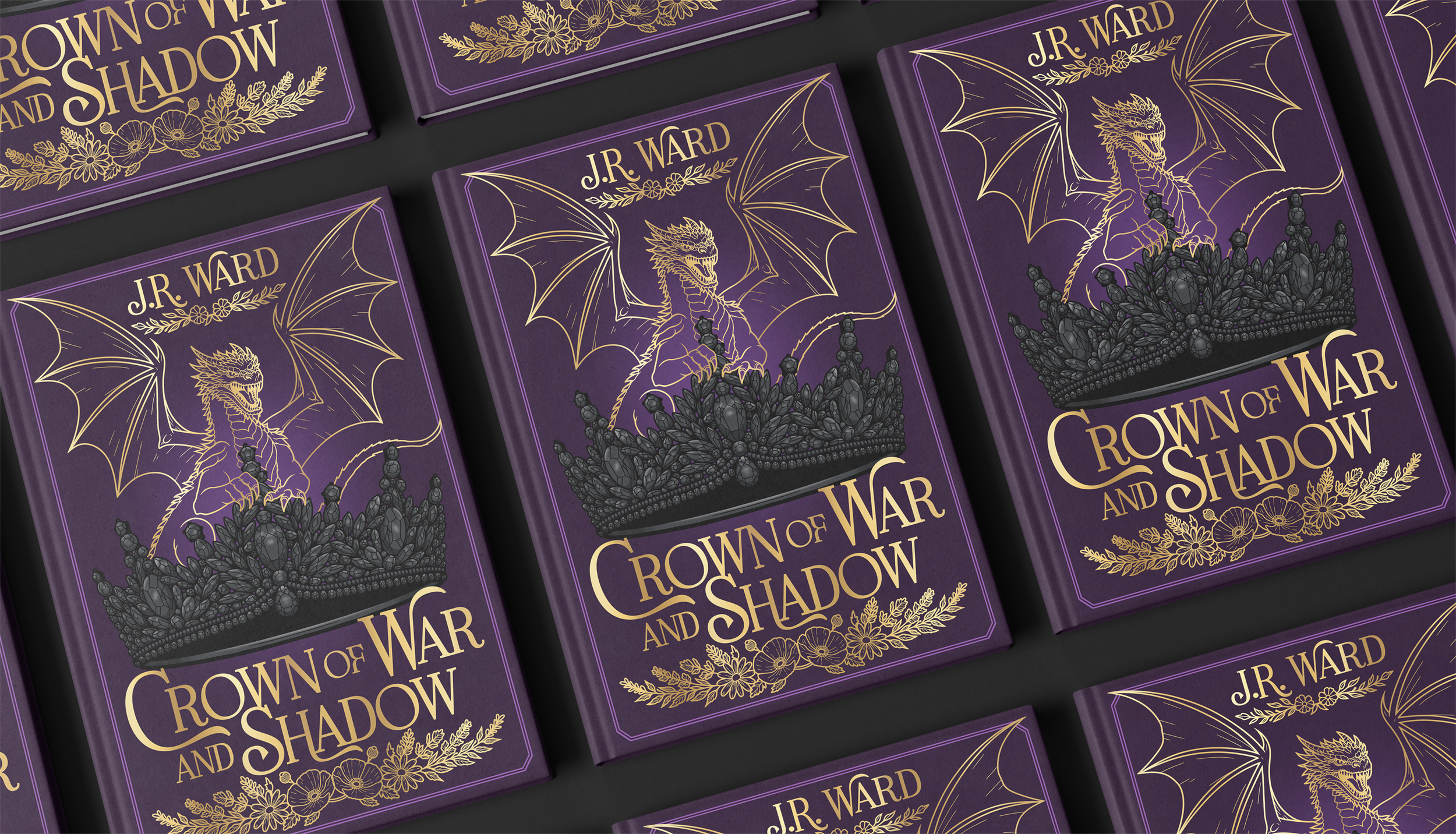
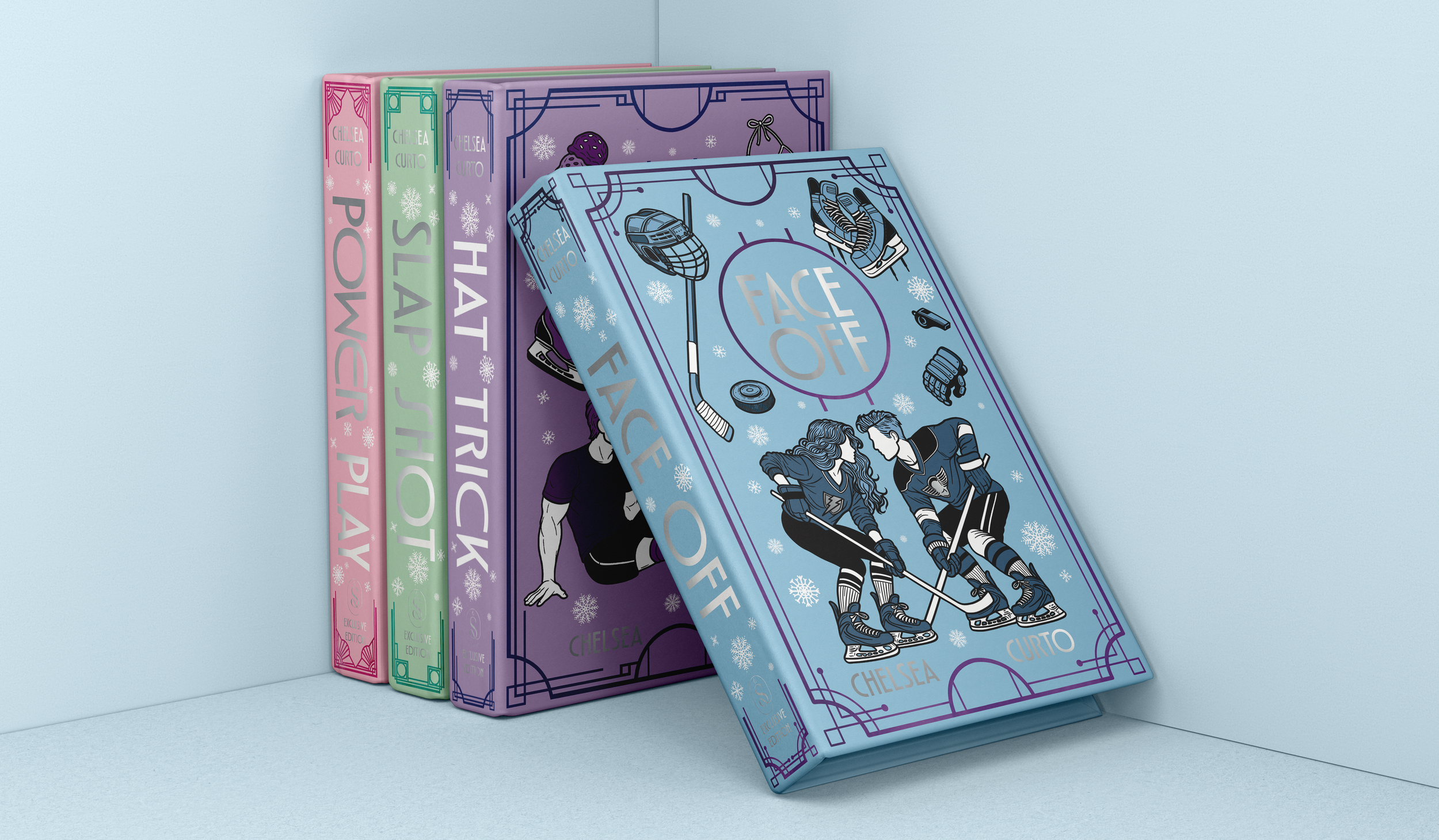
Special edition covers with fully illustrated jackets.
Character artwork, which help readers to visualise the book’s MC’s.
Endpapers, maps, and internal details that deepen the world.
These aren’t just “nice to have”. They’re what make a book feel collectable and shareable. When something looks good, people post it and that’s a huge part of how books are now marketed.
I’ve also noticed more publishers revisiting older titles and re-releasing them with updated illustrated covers. This is not just a design refresh it’s a response to how important visual-driven discovery has become.
The world beyond the book.
There’s also a whole ecosystem growing around books - prints, bookmarks, stickers, collector-style merch - with illustration sitting right at it’s centre.
From my perspective, this is where things get really interesting. Readers don’t just want to consume a story, they want to stay in it. Illustration gives them a way to do that with something physical, something they can keep.
It’s also a space where independent artists really thrive. There’s a clear appetite for work that feels original and human, especially in contrast to mass-produced or AI-generated visuals. People care about who made the work and not just what it looks like, with many bookish artists amassing a cult-like following and forming ongoing relationships with authors and book boxes to help cultivate a signature look & feel for their books.
Why it matters
For me, illustration is about making stories tangible. It gives people a way in and a reason to stay connected after they’ve finished reading.
In a landscape built around scrolling & sharing, that visual layer isn’t optional anymore, it’s a core part of how books exist in the world, which is (importantly) still driven by people, by individual styles, perspectives, and ways of seeing a story.